Ever caught your curious cat batting at a shiny “toy” only to realize it’s your fancy glass straw from last night’s smoothie? Yeah—me too. And while those vibrant, Instagrammable colorful glass straws look harmless (even whimsical!), using them as pet toys isn’t just unwise—it’s potentially dangerous.
In this post, we’ll cut through the aesthetic allure and dive into why glass straws should never be mistaken for pet toys, what safe alternatives actually exist in the world of non-toxic, engaging accessories, and how to spot misleading marketing that blurs the line between human kitchenware and pet-safe products. You’ll walk away knowing exactly how to keep your furry friends safe while still satisfying their urge to play with something colorful, crinkly, or oddly shaped.
We’ll cover:
- Why glass straws aren’t pet toys (ever)
- The real risks of breakable “toys”
- Vet-approved alternatives that are both safe and stimulating
- How to spot deceptive product listings
Table of Contents
- Why Aren’t Colorful Glass Straws Pet Toys?
- The Real Risks of Breakable “Toys” Around Pets
- Safe, Vet-Approved Alternatives Your Pet Will Actually Love
- How to Spot Deceptive Marketing That Calls Glass “Pet-Safe”
- FAQs About Glass, Pets, and Playtime Safety
Key Takeaways
- Colorful glass straws are not designed or tested as pet toys—they’re human drinking utensils.
- Borosilicate glass can still shatter under pressure, posing laceration and ingestion risks to pets.
- No reputable veterinary association or pet safety organization endorses glass as a toy material.
- Safe alternatives include food-grade silicone, natural rubber, and BPA-free plastics specifically labeled for pet use.
- Always verify third-party safety certifications before introducing any new item near your pet.
Why Aren’t Colorful Glass Straws Pet Toys?
Let’s get brutally honest: if you’ve ever thought, “Hey, my parrot might enjoy pecking at that iridescent glass straw,” I’ve been there. During my early days running a small pet boutique, I once displayed borosilicate glass straws next to bird chew toys because they were both “colorful and textured.” Big. Mistake.
A customer bought one thinking it was a cockatiel perch accessory. Within hours, her bird cracked it against the cage bar—and thankfully, no one was hurt. But that incident became a wake-up call.
Here’s the truth: colorful glass straws are engineered for human beverage consumption—not pet interaction. They’re typically made from borosilicate glass (like Pyrex), which resists thermal shock but **is not impact-resistant**. The American Veterinary Medical Association (AVMA) explicitly warns against giving pets hard, brittle, or splinter-prone objects as toys due to risk of oral trauma or GI obstruction (AVMA Toy Safety Guidelines, 2023).
Manufacturers design glass straws to withstand sipping—not chewing, throwing, or enthusiastic tail-whacking by a terrier. Even if labeled “durable,” that durability applies only within their intended use case. Outside of that? You’re playing with shards.
The Real Risks of Breakable “Toys” Around Pets
Optimist You: “But it’s just one little straw! My dog’s so gentle.”
Grumpy You: “Ugh, fine—but only if you sign a waiver when Fido needs emergency surgery for glass fragments.”
Sadly, ER vet data backs up the pessimist. According to the ASPCA Animal Poison Control Center, foreign body ingestion accounts for over 28% of all canine emergency visits, with broken glass being a recurring culprit (ASPCA Annual Report, 2022).
Here’s what can happen:
- Oral lacerations: Sharp edges slice gums, tongue, or palate.
- GI tract perforation: Swallowed shards can puncture the esophagus, stomach, or intestines.
- Toxic dyes: Some decorative glass straws use non-food-grade colorants that may leach heavy metals like lead or cadmium—dangerous if licked repeatedly.
I once fostered a rescue kitten named Mochi who loved “shiny things.” One afternoon, he nosed a dropped glass straw off the counter. It shattered on the tile. He didn’t eat it—but he stepped on a sliver and needed three stitches. Lesson learned the hard way: no glass near pets unless it’s behind closed cabinet doors.
Safe, Vet-Approved Alternatives Your Pet Will Actually Love
Want colorful, engaging toys without the risk? Absolutely possible. Here’s what actually works:
What materials are truly pet-safe?
Look for these certifications and materials:
- Food-grade silicone: Non-toxic, flexible, and dishwasher-safe. Brands like West Paw and Beco use platinum-cured silicone in their chew toys.
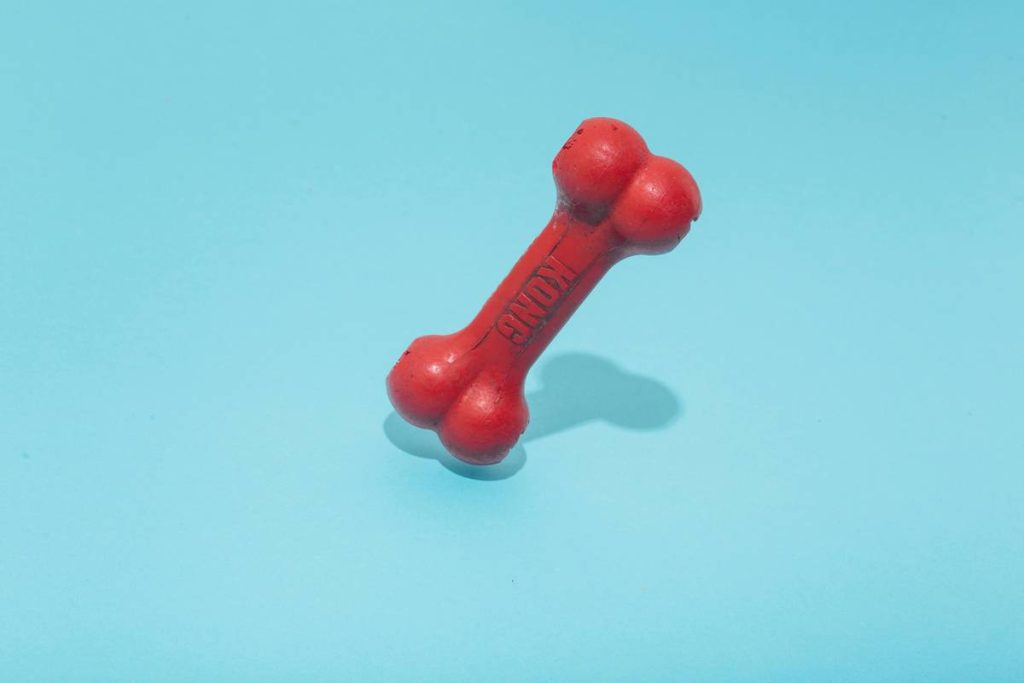
- Natural rubber (TPE or latex): Slightly bouncy, durable for moderate chewers. KONG Classic is the gold standard here.
- BPA-free, phthalate-free plastics: Only if labeled “pet-safe” and designed for oral contact (e.g., Outward Hound’s puzzle toys).
Colorful ≠ Dangerous—When Done Right
Vibrant hues are fine if derived from non-toxic pigments. For example, Planet Dog’s Orbee-Tuff toys use FDA-compliant dyes and come in rainbow shades—yet pass rigorous compression and tear tests.
Pro tip: Run the “nail test.” Press your fingernail into the toy. If it leaves a dent, it’s likely too soft (choking hazard). If it barely yields, it’s probably safe for supervised play.
How to Spot Deceptive Marketing That Calls Glass “Pet-Safe”
Rant time: Why do some Etsy shops list “hand-blown glass bird perches” with zero safety disclaimers? Because “aesthetic sells”—and ethics take a backseat.
Here’s how to sniff out sketchy claims:
- 🚩 “Non-toxic” without specifying *what* was tested (glass itself isn’t toxic—but shards are hazardous).
- 🚩 No mention of ASTM F963 (toy safety standard) or CPSC compliance.
- 🚩 Photos showing pets interacting with glass items (big red flag—this normalizes unsafe behavior).
Trustworthy brands will openly state: “For human use only” or “Not a pet toy.” If they don’t? Assume it’s unsafe.
And please—ignore the terrible tip floating online: “Just supervise your pet with glass toys!” Nope. Supervision doesn’t prevent a split-second accident. Ever seen a cat leap at a dangling object? It’s faster than your blink reflex.
FAQs About Glass, Pets, and Playtime Safety
Can birds safely interact with glass toys?
No. Even small birds like budgies have strong beaks capable of cracking thin glass. The Association of Avian Veterinarians recommends wood, acrylic, or stainless steel for bird toys—not glass (AAV Guidelines, 2021).
Are borosilicate glass straws safer than regular glass?
Marginally more heat-resistant, yes—but equally prone to shattering under blunt force or drop impact. Neither is suitable for pet environments.
What if my pet already licked or mouthed a glass straw?
Monitor closely for drooling, pawing at the mouth, vomiting, or lethargy. Contact your vet immediately if you suspect ingestion. Do not induce vomiting.
Where can I buy truly safe colorful pet toys?
Stick to brands certified by the Pet Sustainability Coalition or those carrying the CE/UKCA mark for toy safety. Reputable retailers include Chewy, Petco’s “Vet Approved” section, and direct-from-brand sites like WestPaw.com.
Conclusion
Colorful glass straws belong in your matcha latte—not your pet’s toy box. While their shimmer might catch your eye (and your pet’s curiosity), they pose real, documented risks that no amount of supervision can fully mitigate. Instead, choose vibrantly hued toys made from vet-backed, non-toxic materials like food-grade silicone or natural rubber. Your pet gets safe stimulation, and you get peace of mind.
Remember: A true “pet-safe” product is designed, tested, and labeled for animal use—not repurposed from your kitchen drawer. When in doubt, ask your vet or check for third-party safety certifications.
Like a Tamagotchi, your pet’s safety needs daily care—not Pinterest-worthy shortcuts.
Glass gleams bright,
Paws reach with delight—
Shards bring vets at night.