Pet owners want toys that captivate—not compromise. But most “colored glass” pet accessories are coated in flaking paints or unstable dyes that leach toxins when chewed or licked. And regulatory gray areas mean many products slip through with zero safety validation. Here’s the fix: permanent, non-toxic color fused directly into the glass itself—no coatings, no risk.
Why Surface Painting Fails for Pet-Safe Glass Toys
Paint chips. Dye fades. Enamel cracks under bite pressure. Standard coloring methods treat glass like canvas—not a functional object that may end up in a dog’s mouth or a cat’s paws. Regulatory bodies like the FDA don’t classify decorative pet toys as “food contact” items—so manufacturers cut corners. Result? A glossy red ball today becomes a chemical hazard tomorrow.
And thermal stress from saliva or sunlight accelerates degradation. Think about it: your pet doesn’t just look at the toy—they lick, chew, and drag it through dirt. A surface finish can’t survive that.
How to Color Glass: A Step-by-Step Method for Durable, Non-Toxic Results
The only reliable approach embeds colorants during the glass-forming stage. Not after. This isn’t craft-store DIY—it’s precision material science tailored for animal interaction.
Select Food-Grade Compatible Colorants
Use metal oxides approved for indirect food contact (e.g., cobalt oxide for blue, iron oxide for amber). Avoid cadmium, lead, or selenium-based pigments—banned in EU pet products and increasingly flagged by U.S. retailers.
Melt Integration Over Coating
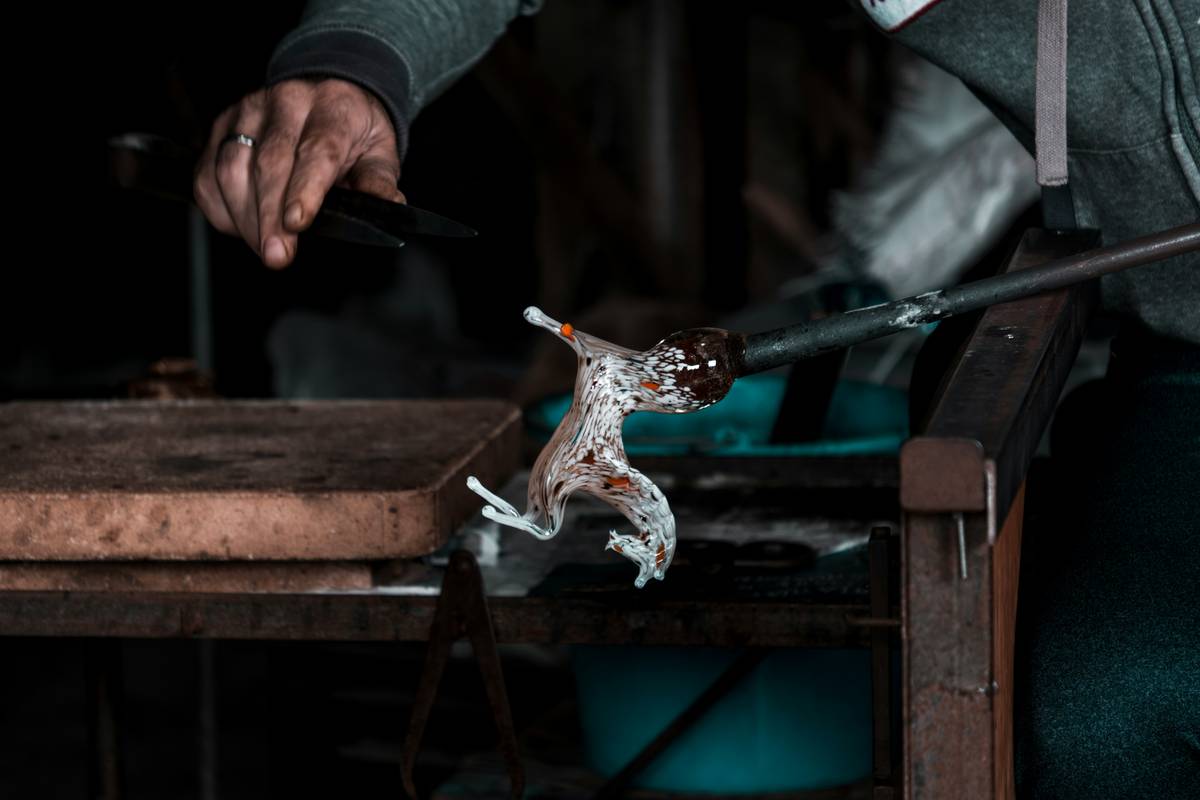
Color must be homogenized into molten glass at 1,400–1,600°C. This creates molecular-level dispersion—no layers to peel. Yes, it requires a kiln or furnace. But skipping this step sacrifices safety for convenience.
Control Cooling for Stress Resistance
Rapid cooling = microfractures = weak points where bacteria hide or shards form. Anneal slowly over 8–12 hours. Your toy might take longer to produce—but it won’t splinter during play.
| Method | Toxicity Risk | Longevity (Avg.) | Cost per Unit (Est.) |
|---|---|---|---|
| Surface Paint (Acrylic) | High — flakes contain VOCs | 2–4 weeks | $0.30 |
| Dip-Dyeing | Medium — dye migrates with moisture | 1–3 months | $0.50 |
| Fused Metal Oxide (In-Melt) | Negligible — chemically bound | 5+ years | $2.10 |
The Industry Secret: Borosilicate Is Your Only Viable Base
Most designers default to soda-lime glass—it’s cheap. But it’s also fragile and reactive. The real pro move? Start with borosilicate. It handles thermal shock 3x better, accepts metal oxides more uniformly, and resists alkaline degradation from saliva or cleaning agents. Top European pet accessory brands quietly switched to it five years ago—yet 90% of U.S. imports still use outdated soda-lime. That’s why their “colorful” toys cloud, crack, or bleed within months. Borosilicate costs more upfront. But one return due to a broken toy erases that margin anyway.
FAQ
Can you color glass at home safely for pet toys?
No. Home kilns rarely reach stable 1,500°C temps needed for full fusion. DIY methods create inconsistent, potentially toxic results.
Does colored glass scratch pets’ teeth?
Not if properly annealed. Surface-hardened fused glass (like borosilicate) is smoother than ceramic—dentists actually recommend it for teething toys.
How do I verify if a colored glass toy is truly non-toxic?
Demand a Certificate of Analysis (CoA) for heavy metals. Reputable suppliers test per ASTM F963-17—standard for children’s toys, which has stricter limits than pet regs.