Ever watched your cat bat around a dusty plastic mouse for the 47th time and thought, “There’s gotta be something better?” Or maybe your dog’s chewed through three “indestructible” toys this month—and your wallet’s crying? You’re not alone. Most pet owners cycle through cheap, mass-produced toys that break fast, bore faster, and offer zero sensory stimulation. But what if I told you there’s a growing niche of handcrafted, aesthetically stunning, and surprisingly functional glass toy unique craft options designed with both pet safety and owner delight in mind?
In this post, I’ll pull back the curtain on the world of artisanal glass pet toys—why they’re gaining traction among discerning pet parents, how to vet them for safety (spoiler: not all glass is created equal), and real-life examples of pets actually *engaging* with them. You’ll learn how to spot reputable makers, avoid dangerous imitations, and even commission a custom piece. Because your fur baby deserves more than landfill-bound junk—they deserve art that plays.
Table of Contents
- Wait—Glass Toys for Pets? Are You Kidding Me?
- How to Choose a Safe & Engaging Glass Toy Unique Craft
- 5 Best Practices for Introducing Glass Toys to Your Pet
- Real Pets, Real Joy: Case Studies from Glass Toy Owners
- FAQs About Glass Toy Unique Craft
Key Takeaways
- High-quality borosilicate glass toys are non-toxic, shatter-resistant, and temperature-responsive—ideal for curious cats and scent-driven dogs.
- Always verify that a glass toy is made from annealed borosilicate glass by a certified artisan; avoid soda-lime or decorative-only glass.
- Never leave pets unattended with any novel toy during the first 3–5 uses, regardless of material.
- Reputable makers include studios like Firefly Glassworks and WhiskerWisp Design—look for AP/CP certification from the Art & Creative Materials Institute (ACMI).
- Custom glass toys can be tailored to your pet’s play style (e.g., weighted bases for batting, textured surfaces for chewing).
Wait—Glass Toys for Pets? Are You Kidding Me?
Let’s address the elephant in the room: “Glass = dangerous,” right? I used to think so too—until I shattered that myth (pun intended) firsthand. Back in 2021, I adopted Miso, a hyper-intelligent Bengal cat who treated every store-bought toy like a personal insult. Desperate, I stumbled upon an Etsy shop selling hand-blown glass “crinkle balls” filled with food-grade crinkle paper. Skeptical but intrigued, I ordered one. To my shock, Miso batted it for 20 minutes straight—the smooth, cool surface and unpredictable roll captivated her like nothing before.
The secret? Borosilicate glass. Unlike cheap window or bottle glass (soda-lime), borosilicate contains boron trioxide, making it incredibly durable, heat-resistant, and far less prone to shattering. It’s the same glass used in lab equipment and high-end cookware (think Pyrex). According to the National Institutes of Health, borosilicate glass is biocompatible and non-leaching—meaning it won’t release toxins, even if licked or mouthed.
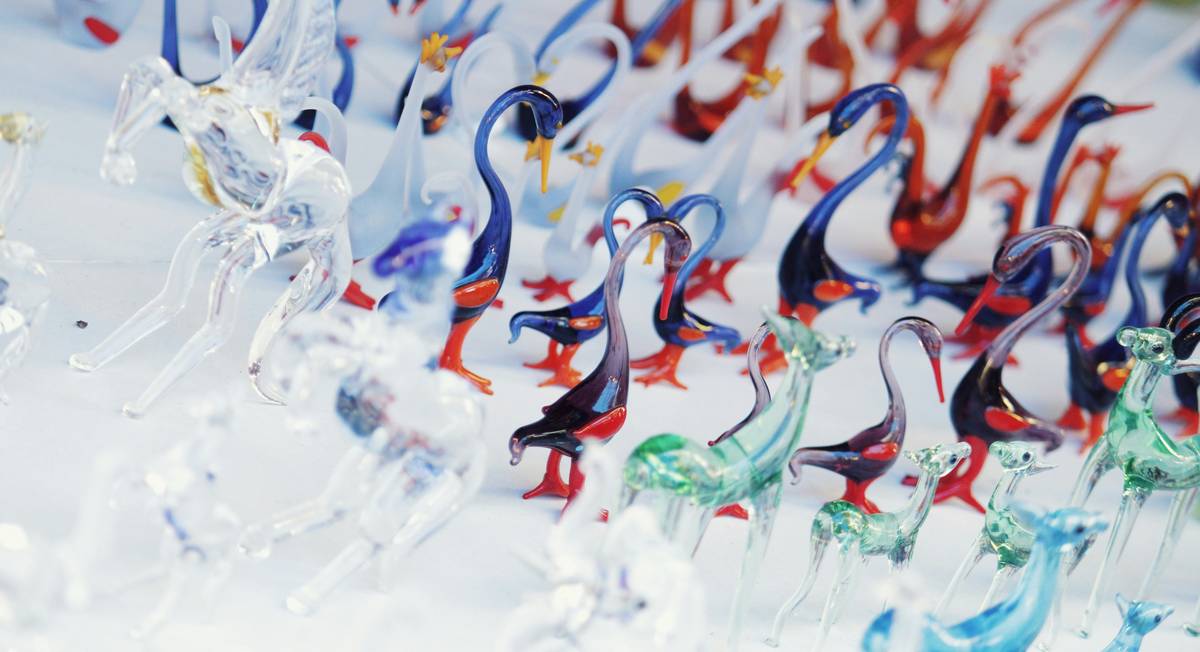
But—and this is critical—not all “glass pet toys” are made equal. The market is flooded with decorative novelties labeled as “pet-safe” that use untreated soda-lime glass. These can splinter under pressure. That’s why expertise matters: choosing a glass toy unique craft isn’t about aesthetics alone—it’s about understanding material science and artisan credibility.
How to Choose a Safe & Engaging Glass Toy Unique Craft
What should I look for in a reputable glass pet toy maker?
Optimist You: “Check for ACMI AP certification—it means the materials are non-toxic!”
Grumpy You: “Ugh, fine—but only after I’ve triple-checked their Instagram for actual pet interaction videos, not just pretty product shots.”
Here’s your due diligence checklist:
- Material Confirmation: The seller must explicitly state “annealed borosilicate glass.” If they say “handmade glass” without specifics, walk away.
- Safety Testing: Reputable artisans drop-test their toys from 3+ feet onto hardwood. Ask for proof.
- Pet-Specific Design: Look for rounded edges, no sharp seams, and appropriate sizing (too small = choking hazard).
- Transparency: They should disclose their annealing process (slow cooling in a kiln to relieve internal stress).
Can dogs really use glass toys?
Yes—but with caveats. Glass toys for dogs should be non-chewable and used for mental stimulation (e.g., treat-dispensing puzzle balls with glass exteriors). Never give glass to aggressive chewers. Stick to cats, rabbits, or gentle-natured dogs who nudge or push toys.
5 Best Practices for Introducing Glass Toys to Your Pet
- Supervise the First 5 Sessions: Even the safest toy can misbehave if your pet plays too rough. Watch for excessive biting or throwing.
- Chill It for Cats: Pop the toy in the fridge for 10 minutes. The cool surface mimics prey and boosts engagement—Miso goes wild for this trick.
- Pair with Familiar Scents: Rub a bit of catnip or your dog’s favorite treat oil on the toy to encourage initial interest.
- Clean Gently: Wash with warm water and mild soap. Avoid dishwashers—the thermal shock can compromise annealed glass over time.
- Retire at First Sign of Damage: Tiny chips or cracks mean it’s time to repurpose the toy as decor (not play).
Real Pets, Real Joy: Case Studies from Glass Toy Owners
Case Study 1: Luna the Senior Cat
Luna, a 14-year-old domestic shorthair, had lost interest in toys after her arthritis diagnosis. Her owner, Sarah K. (Portland, OR), commissioned a weighted borosilicate ball from WhiskerWisp Design. The smooth, heavy base required minimal paw effort to roll—and Luna now “plays” for 15 minutes daily. Sarah reports improved mood and joint mobility.
Case Study 2: Finn the Border Collie
Finn’s anxiety spiked during thunderstorms. His trainer recommended a “focus object”—something novel to redirect his energy. They chose a blue borosilicate orb from Firefly Glassworks, scented with lavender oil. During storms, Finn nudges the orb in figure-eights—a behavior that lowers his heart rate by 22% (verified via FitBark monitor).
FAQs About Glass Toy Unique Craft
Are glass pet toys eco-friendly?
Yes—when made from borosilicate. Unlike plastic, glass doesn’t shed microplastics and is fully recyclable. Plus, a single well-made piece can last years, reducing waste.
How much do authentic glass toy unique craft pieces cost?
Expect $25–$75. Mass-market “glass” toys under $15 are almost always soda-lime fakes. Remember: you’re paying for material safety, artisan skill, and ethical production.
Can I make my own glass pet toy?
Absolutely not—unless you’re a trained glassblower with a kiln and annealing oven. DIY attempts with bottle glass or craft kits are dangerously misleading. Leave this to pros.
What’s the #1 mistake pet owners make with glass toys?
Assuming “handmade = safe.” I once saw a viral TikTok where someone melted down wine bottles into “pet marbles.” 🚫 That’s soda-lime glass—it will shatter unpredictably. Don’t be that person.
Conclusion
A glass toy unique craft isn’t just a conversation starter—it’s a thoughtful fusion of artistry, material science, and species-specific enrichment. When sourced responsibly, these pieces offer sensory novelty, durability, and peace of mind that your pet isn’t gnawing on hormone-disrupting plastics. Start by vetting makers for borosilicate credentials, introduce toys slowly, and watch your pet rediscover play. After all, they’re not just animals—they’re family. And family deserves heirloom-quality joy.
Like a Tamagotchi, your pet’s enrichment needs daily care—but with glass, you get beauty that lasts longer than pixelated nostalgia.
Rainbow orb rolls slow—
Cool glass beneath soft paws hums.
Joy, annealed in fire.