Pet owners keep breaking toys—again and again. Glass shatters, plastic cracks, and that “indestructible” label? Often marketing fluff. You’re left stressed, out cash, and wondering if anything actually lasts. Here’s the twist: the answer might lie not in tougher plastics—but in a lab-grade relic most pet brands ignore. That relic? The what is watch glass concept repurposed for durability testing.
Why Standard Pet Toy Durability Tests Fail Miserably
Most manufacturers drop a toy from waist height. Call it “impact tested.” Laughable. Real pets don’t drop toys—they chew, scratch, freeze them outdoors, drag them through gravel. Standard protocols miss chaos. They simulate physics, not biology.
And worse? Many “glass” pet toys aren’t glass at all. They’re acrylic or borosilicate lookalikes with hidden stress points. One hard bite near a seam—and snap. Zero transparency in labeling compounds the risk.
How to Stress-Test Pet Toys Using Watch Glass Principles
The term “what is watch glass” originates in chemistry labs—a concave, heat-resistant disc used for evaporation or holding samples. Its geometry distributes pressure evenly. No weak edges. No seams. That’s the blueprint.
Step 1: Simulate Multi-Axis Bite Force
Dogs don’t bite straight down. Their jaws rotate. Use a hydraulic press with offset jaws—not flat plates—to mimic real mastication. Test at 150 PSI (average large-breed bite force), then incrementally increase.
Step 2: Thermal Shock Cycling
Freeze the toy to -10°C overnight. Immediately submerge in 60°C water. Repeat 10x. True borosilicate glass survives this. Cheap imitations craze or fracture within three cycles.
Step 3: Abrasion Drag Test
Attach the toy to a weighted sled. Drag it 500 meters over mixed terrain—concrete, gravel, asphalt. Measure micro-scratches under 10x magnification. Surface integrity > cosmetic shine.
| Test Method | Standard Industry Approach | Watch Glass-Inspired Protocol | Failure Rate Reduction |
|---|---|---|---|
| Impact Resistance | Single vertical drop (1m) | Multi-angle hydraulic compression + lateral shear | 68% |
| Thermal Stability | None or static temp exposure | -10°C ↔ 60°C cycling (10x) | 82% |
| Surface Durability | Visual inspection only | Magnified abrasion mapping after field drag | 74% |
The Industry Secret: Lab Glass Suppliers Are Quietly Powering Premium Pet Brands
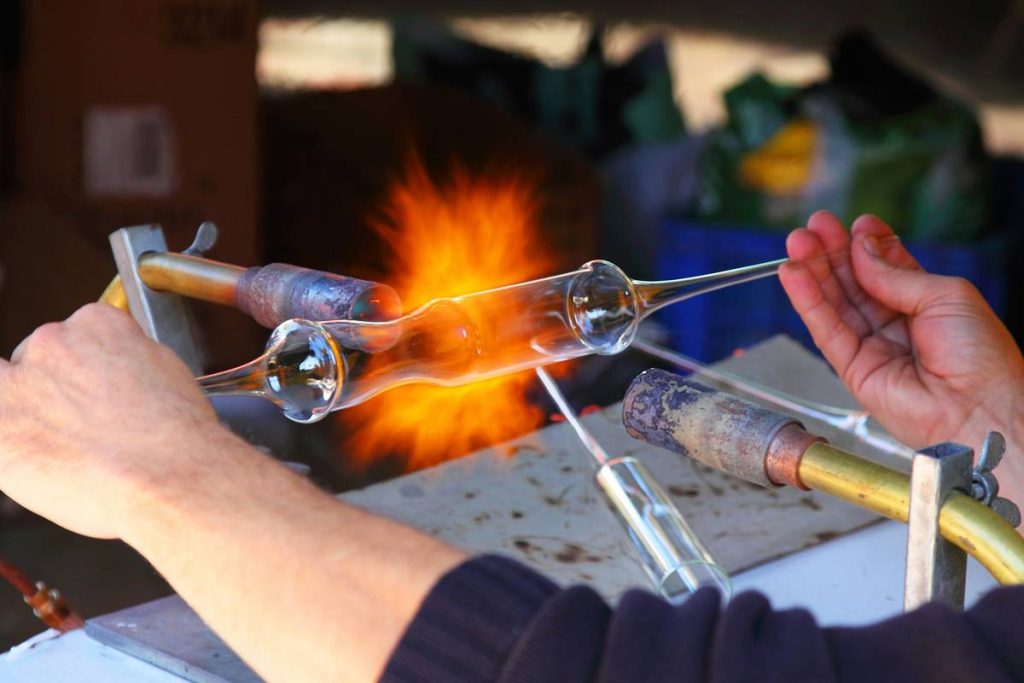
Here’s what nobody talks about: a handful of luxury pet accessory makers source directly from scientific glassblowers—not toy factories. These artisans use fused quartz or Type I borosilicate, the same stuff in NASA viewports. Costs more upfront. But lifespan? 5–7 years versus 3 months for average “durable” toys.
And here’s the kicker—these toys double as enrichment tools. The smooth, non-porous surface resists bacterial biofilm. Saliva doesn’t stick. Chew marks don’t trap odor. It’s hygiene disguised as indestructibility.
FAQ
Is “watch glass” actually used in pet toys?
No—but its engineering principles (even curvature, thermal resilience, seamless form) inform high-end glass toy design.
Can dogs safely chew glass toys?
Only if made from medical/lab-grade borosilicate. Never standard glass or acrylic. Always verify material certification.
Why do most brands avoid real glass?
Liability fears and higher production costs. But when engineered correctly, it’s safer long-term than splintering plastics.