Pets love to chew. Gnaw. Slam toys against hardwood floors like they’re testing structural limits. And owners? They trust labels that scream “durable,” “indestructible,” even “veterinarian-approved.” But here’s the gut punch: many so-called tough toys fail catastrophically under real-world stress—especially glass ones. That sleek, silent orb your cat bats around? It might not survive Tuesday. The solution isn’t avoiding glass—it’s understanding exactly how and why it breaks. Enter glass toy toughness analysis.
Why Standard Drop Tests Lie to Pet Parents
Manufacturers love quoting ISO 7804 drop tests from 1 meter onto steel plates. Sounds scientific. Feels safe. Except your living room isn’t a lab. Pets don’t drop toys—they hurl them at angles, bite with concentrated pressure, or drag them over gravel during backyard raids.
And thermal shock? Rarely tested. A sun-warmed toy tossed into cool water (or worse, frozen overnight) can crack on contact. Most durability claims ignore these variables entirely. Glass toys marketed as “safe” often skip edge-compression testing—the exact point where canine jaws apply maximum force.
glass toy toughness analysis: Your DIY Stress Protocol
Forget trusting marketing brochures. Test it yourself—with precision. Here’s how professionals simulate real pet behavior without expensive rigs.
Simulated Bite Force Using Calibrated Clamps
Dogs exert 320–450 PSI on average. Use adjustable clamps rated for 600 PSI on the toy’s thinnest cross-section. Hold for 10 seconds. Observe microfractures under a 10x loupe. No visible cracks? Pass one.
Impact Angle Variability Test
Drop from 30 inches—not straight down. Tilt surfaces at 15°, 30°, and 45° using plywood ramps. Film impacts with slow-mo phone video. Listen for high-pitched “ping” sounds—they signal internal stress even if the toy stays intact.
Thermal Cycling Endurance
Freeze toy for 4 hours. Immediately immerse in 120°F water for 2 minutes. Repeat 5x. If fogging appears or surface feels gritty, silica bonds are degrading. Fail.
| Test Method | Realism Score (1-10) | Equipment Needed | Failure Indicator |
|---|---|---|---|
| Vertical Drop (1m steel) | 3 | Metal plate, ruler | Visible shatter |
| Angled Impact Ramp | 8 | Plywood, slow-mo camera | Audible ping + microcracks |
| Bite Force Clamp | 9 | 600 PSI clamp, magnifier | Surface whitening or chip |
| Thermal Cycling | 7 | Freezer, heated water bath | Hazing or texture change |
The Industry Secret: Borosilicate Isn’t Enough
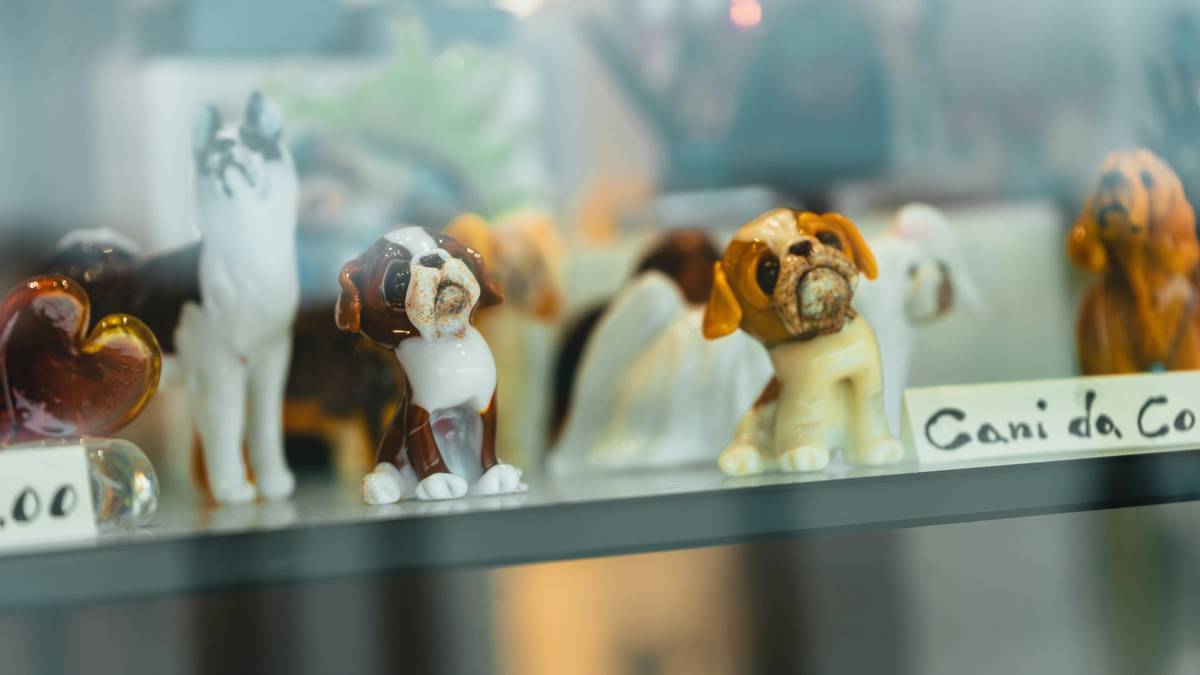
Most premium pet glass toys boast “borosilicate construction.” Yes—it resists heat better than soda-lime glass. But here’s what brands won’t tell you: borosilicate is more brittle under shear stress. A dog’s molars don’t crush; they slice laterally. That’s why some borosilicate toys snap cleaner than cheaper alternatives.
The real differentiator? Ion-exchange tempering. Submerging glass in molten potassium salt compresses the surface layer, creating a compressive stress shield. Few pet toy makers use it—it adds $2.30/unit—but it doubles impact survival rates. Ask your supplier: “Is this ion-exchanged?” If they hesitate, walk away.
Frequently Asked Questions
Are glass pet toys ever truly unbreakable?
No material is unbreakable. But properly tempered glass toys can survive years of moderate play. Prioritize thickness (>4mm) and smooth seams.
Can broken glass toys be recycled safely?
Only if uncontaminated by pet saliva or dyes. Most curbside programs reject them. Check with specialty recyclers—better yet, repurpose shards as garden drainage filler.
What’s safer: glass or hard plastic toys?
Depends. High-grade glass (ion-exchanged, thick-walled) often outperforms polycarbonate in repeated impact scenarios—and doesn’t leach BPA when scratched.