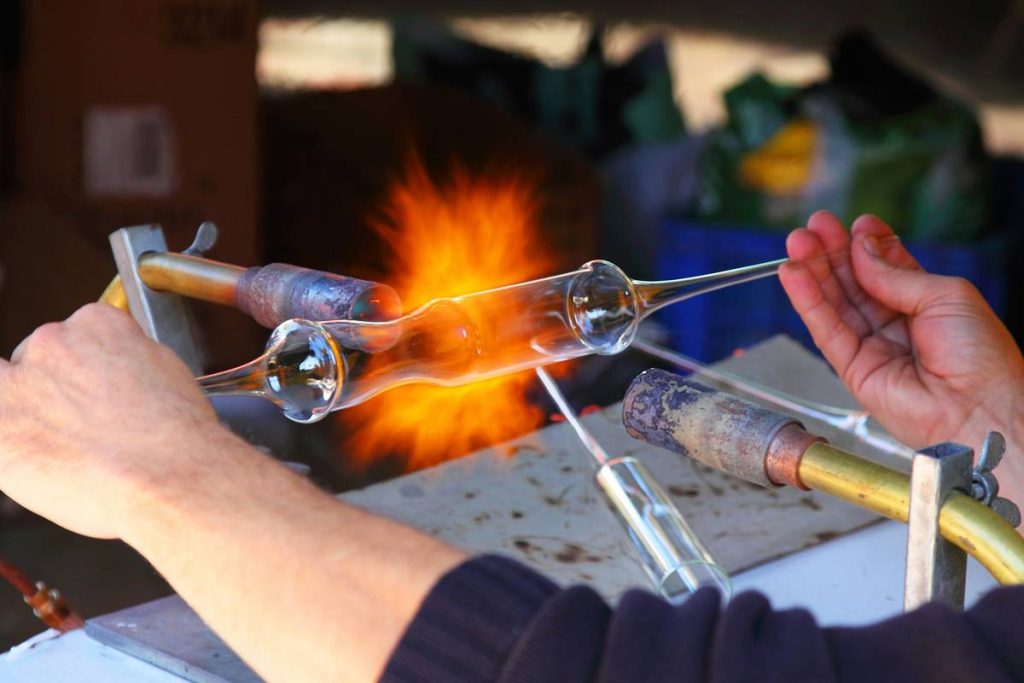
Pet owners assume toys labeled “durable” will last. They don’t. Chew after chew, scratch after scratch—most so-called tough toys splinter, crack, or vanish within weeks. And when a dog swallows shards? That’s ER territory. But there’s a better way. Enter what is glass box testing—a method borrowed from software engineering, now quietly reshaping how we evaluate pet product integrity.
The Core Problem: Why Most Durability Tests Are Theater, Not Science
Most brands slap a “vet-approved” sticker on plastic squeakers and call it a day. Real-world stress? Ignored. Accelerated aging? Skipped. And glass toys—yes, actual borosilicate glass dog chews—are judged by the same blunt-force standards meant for rubber bones. It’s like judging a scalpel with a sledgehammer.
Here’s the reality: traditional black-box testing only checks inputs and outputs. Toss it to a dog. See if it breaks. No insight into *why* it failed. No data on internal stress points. Just broken pieces and guesswork.
What Is Glass Box Testing
Glass box testing—also called clear-box or structural testing—peers *inside* the product’s design and material behavior under duress. For pet toys, especially high-end glass accessories, it means simulating jaw pressure, thermal shock, impact angles, and repetitive bite force down to the micron level. You’re not just asking *if* it breaks—you’re mapping *how*, *where*, and *under what precise conditions*.
Step 1: Material Stress Profiling
We start by microscanning the toy’s cross-section. Borosilicate glass has a known tensile strength—but impurities, air bubbles, or uneven annealing create weak zones invisible to the naked eye. Thermal imaging reveals hotspots during simulated chewing cycles.
Step 2: Dynamic Bite Simulation
Robotic jaws calibrated to breed-specific PSI (Pit Bull = ~235 PSI; Chihuahua = ~100 PSI) apply variable loads at 15°, 45°, and 90° angles. High-speed cameras capture microfractures before catastrophic failure.
Step 3: Environmental Cycling
Toys are cycled between -10°F and 120°F to mimic outdoor-to-indoor transitions. Then submerged in saliva-mimicking pH solutions (6.2–7.4) for 72 hours. Real dogs drool. Real conditions degrade materials.
| Test Method | Traditional Black-Box | Glass Box Testing |
|---|---|---|
| Failure Detection | After breakage occurs | Predictive microfracture mapping |
| Data Granularity | Pass/Fail | Stress vectors, strain thresholds, fatigue life |
| Cost Per Unit Tested | $8–$15 | $85–$220 |
| Insight Into Design Flaws | None | High – enables iterative engineering |

The Industry Secret: Glass Toys Aren’t Meant to Survive—They’re Meant to Fail Safely
Here’s something no brand will tell you: top-tier glass pet toys are *engineered to fracture*—but only in controlled, non-hazardous ways. Borosilicate glass, when properly annealed, breaks into large, dull chunks—not sharp splinters. Glass box testing identifies the exact PSI threshold where safe fragmentation begins. And most “indestructible” rubber toys? They shed microplastics with every gnaw. Glass leaves zero residue. The math is simple: if your toy vanishes without trace, ask what it left inside your dog.
But—and this is critical—not all glass is equal. Some imports skip annealing entirely to cut costs. That’s why independent glass box validation matters more than marketing claims.
Frequently Asked Questions
Is glass safe for dogs to chew?
Yes—if it’s medical-grade borosilicate glass, properly annealed, and validated via structural testing like glass box methods. Cheap glass shatters dangerously; engineered glass fractures predictably.
What’s the difference between black-box and glass box testing for pet toys?
Black-box only observes if a toy breaks during use. Glass box testing analyzes internal material stress, failure modes, and design weaknesses before physical failure occurs.
Can I trust “indestructible” toy labels?
Rarely. Without transparent test data—ideally from glass box protocols—“indestructible” just means “hasn’t broken yet.” Demand third-party durability reports, not slogans.